












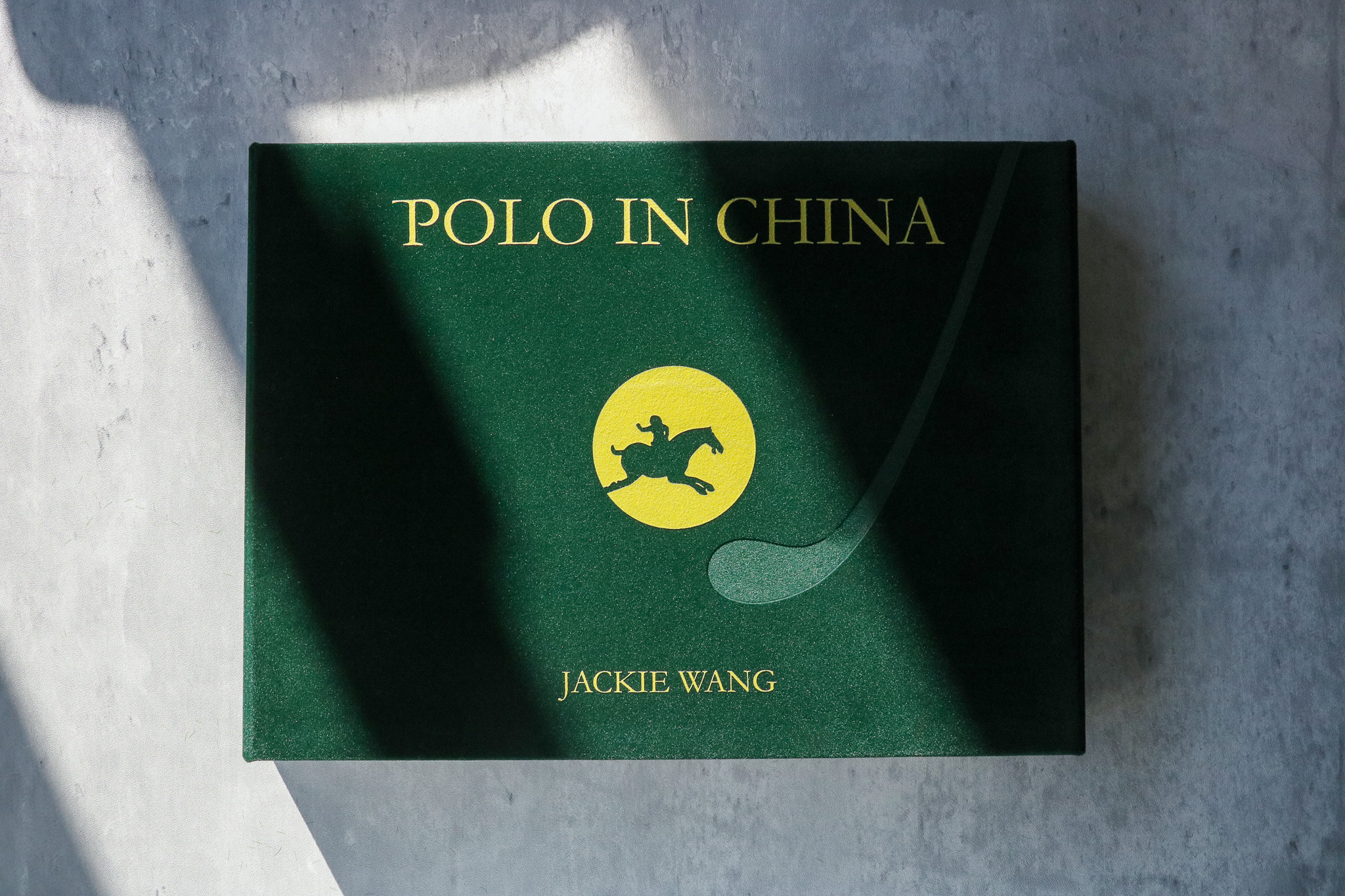



POLO IN CHINA
簡介
Exploring China’s polo history through words and images
Polo is a sport with ancient roots. Its noble and warriorlike qualities have attracted many enthusiastic players. Polo was once popular in the royal family and the army, known as “the sport of kings” and “the king of sports.” It is one of three equestrian sports and one of three luxury sports. Polo is a sport jointly played by man and horse. It requires the unity of man and horse, and integrates various elements from other sports such as equestrian, field hockey, ice hockey, golf, and football. At the same time, polo is a sport in which male and female players can compete on the same field, which fully embodies the spirit of gender equality.
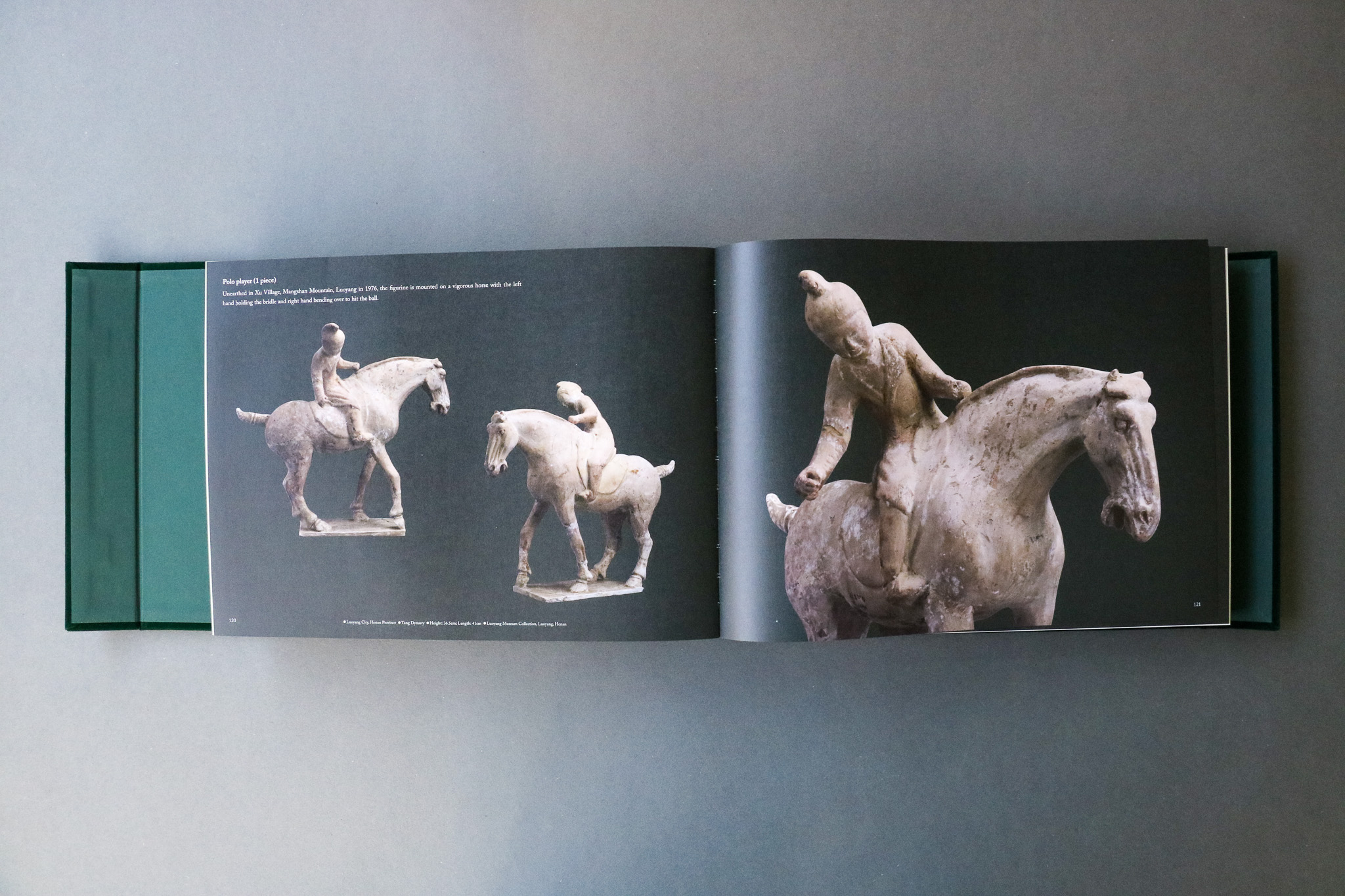
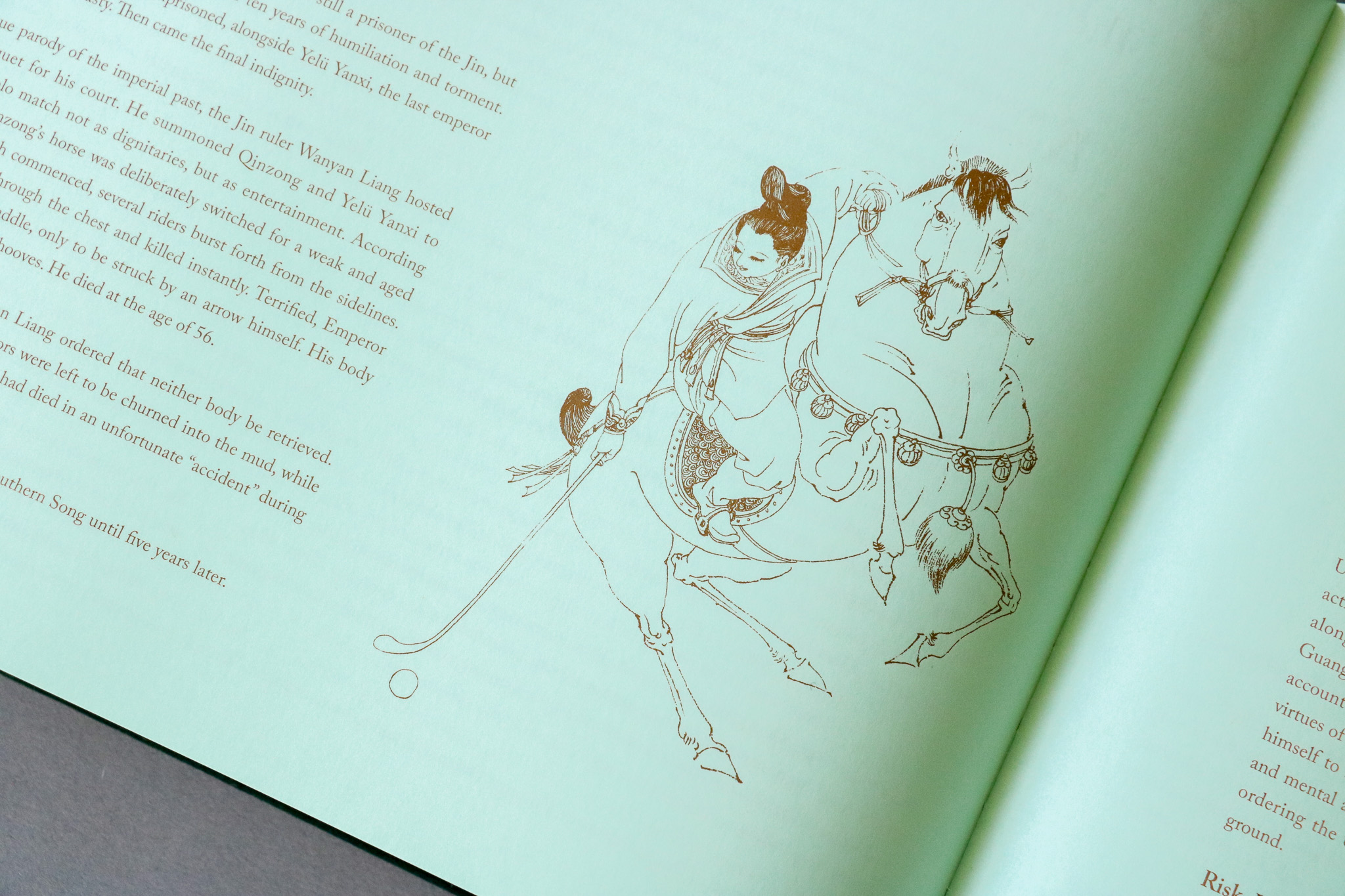
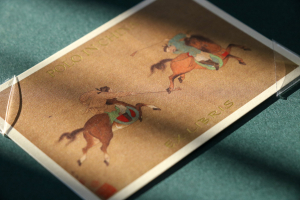
Incorporating both ancient and modern polo, the book has nearly 500 photos of ancient Chinese polo artifacts and modern polo. Many precious photos about polo are presented to readers for the first time. These photos include ancient pottery figurines, murals, bricks, bronze mirrors, stone carvings, paintings, literature and poetry records, etc., as well as the precious photos taken in the late Qing Dynasty and Republican era. Together, they vividly illustrate the development of polo in China.
目錄
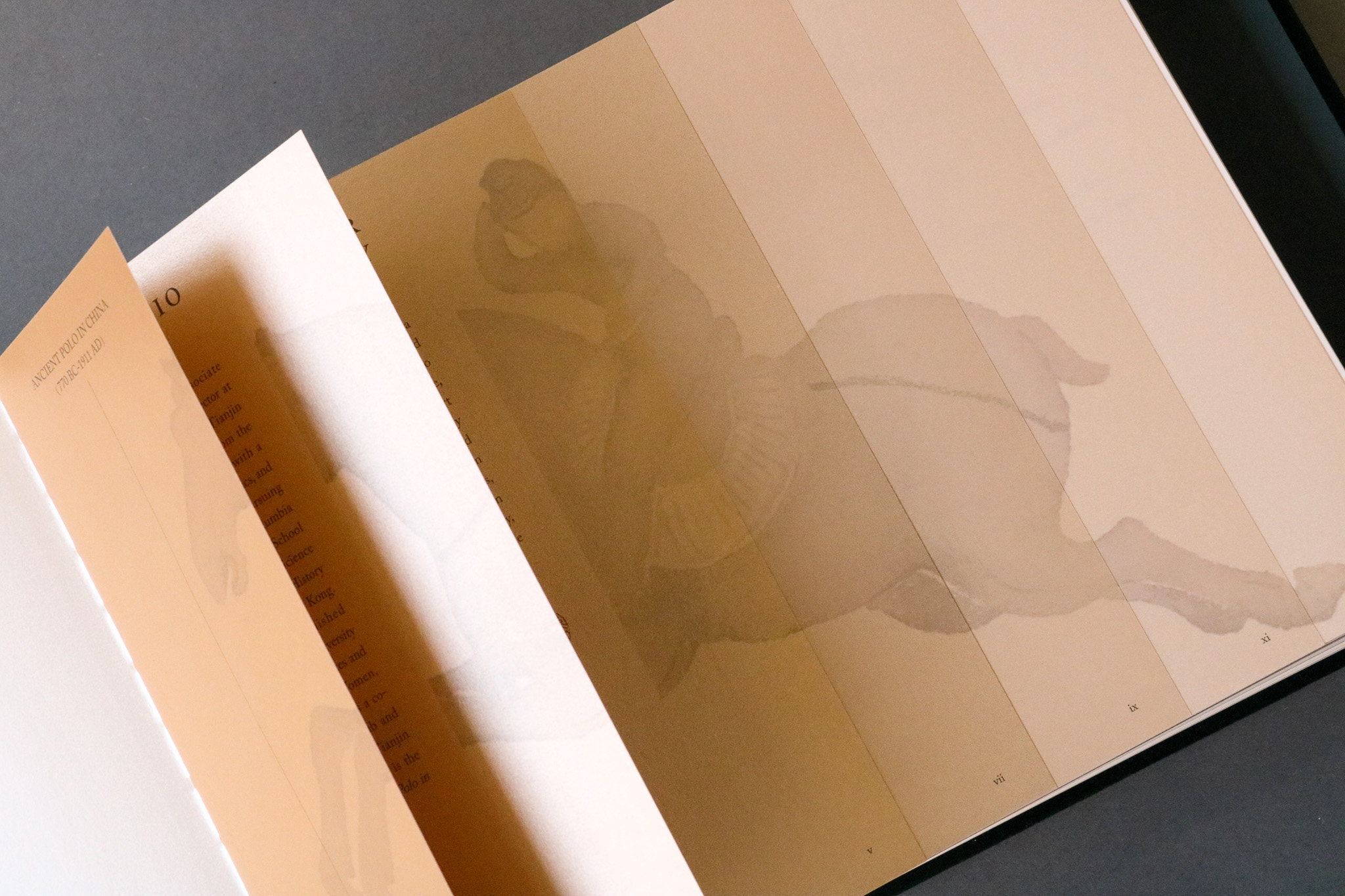
Author Bio iii
Polo Studies Center at Tianjin University v
Preface vii
Part I Ancient Polo in China
I. The Emergence of Polo in China: From Spring and Autumn Period to the Southern and Northern Dynasties (770 BC-589 AD) 002
II. The Pinnacle of Polo in China: Sui, Tang, and Five Dynasties (581-960) 012
1. Murals 015
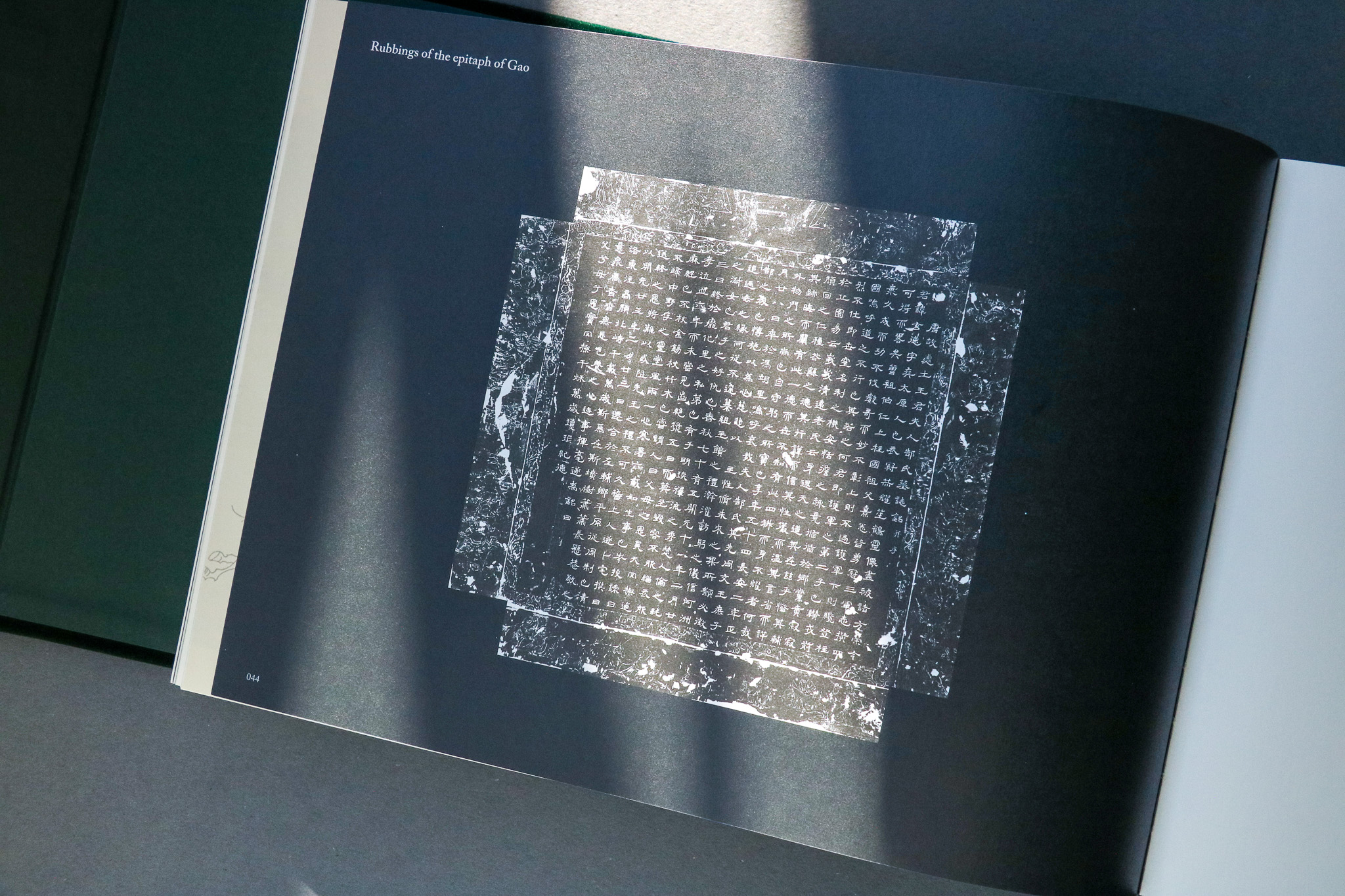
2. Stone Carvings and Rubbings 041
3. Mirrors 055
4. Terracottas 063
5. Dunhuang Manuscripts 131
6. Paintings and Other Relics 159
III. The Continued Prosperity of Polo: Song, Liao, Jin, and Yuan Dynasties (907-1368) 170
1. Paintings and Documents 173
2. Brick Carvings 197
3. Murals 209
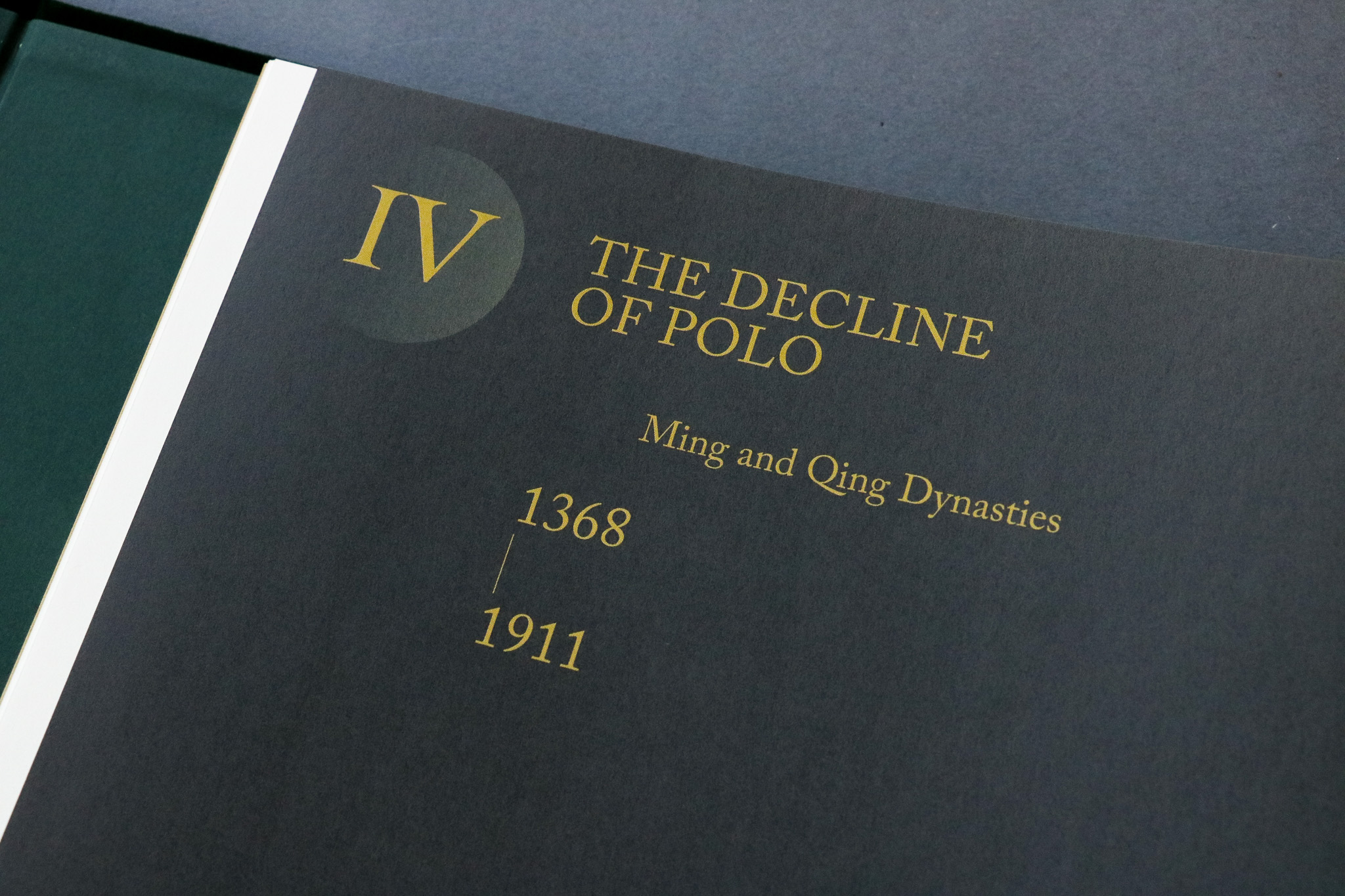
IV. The Decline of Polo: Ming and Qing Dynasties (1368-1911) 218
1. Paintings and Documents 223
2. Paintings and Documents in China’s Neighboring Countries 246
Polo Stories 267-312
Part II Modern Polo in China
I. Introduction of Modern Polo into China (1859-1945) 316
II. Chinese Polo Teams (1932-1949) 412
III. Prosperity of Modern Polo in China (1949-1978) 440
IV. Modern Chinese Polo Enters a New Era (1978-2005) 520
Conclusion 581
Acknowledgements 585
Bibliography 586
Index 590
Note on Chinese Romanization 593
作者簡介
Dr. Jackie Wang is an Associate Professor and Executive Director at the Polo Studies Center at Tianjin University. She graduated from the University of Pennsylvania with a Bachelor’s in Philosophy, Politics, and Economics (PPE) before pursuing dual Master’s degrees at Columbia University and the London School of Economics and Political Science (LSE). She earned a PhD in History from the University of Hong Kong. Dr. Wang was a Distinguished Postdoctoral Fellow at the University of Chinese Academy of Sciences and previously worked at UN Women. As a female polo player, she is a co-founder of 1003 POLO Club and a founding member of the Tianjin Metropolitan Polo Club. She is the author of Polo Rulebook and Polo in China (Chinese version).
序
PREFACE
In November 2019, I embarked on a trip to Argentina to watch the highly anticipated final showdown between the top polo players at the Argentine Open (40-goals). During my time in Buenos Aires, I picked up a book called Passion & Glory: A Century of Argentine Polo, which showcased the glorious and passionate history of Argentine polo over the past century.
After returning from Argentina, I read through the book, and an idea came to mind. Can I write a book showcasing the glorious history of ancient Chinese polo and the development of modern Chinese polo? I looked into several published research on ancient Chinese polo, which gradually gave me a better understanding of Chinese polo history. From there, I decided to embark on the journey of writing this book.
Polo is a sport with ancient roots. Its noble and warriorlike qualities have attracted many enthusiastic players. Polo was once popular in the royal family and the army, known as “the sport of kings” and “the king of sports.” It is one of three equestrian sports (polo, equestrian and horse racing) and one of three luxury sports (polo, F1 racing
and sailing). Polo is a sport jointly played by man and horse. It requires the unity of man and horse, and integrates various elements from other sports such as equestrian, field hockey, ice hockey, golf, and football. At the same time, polo is a sport in which male and female players can compete on the same field, which fully embodies the spirit of gender equality.
Incorporating both ancient and modern polo, the book has nearly 500 photos of ancient Chinese polo artifacts and modern Chinese polo. Many precious photos about polo are presented to readers for the first time. The collections include ancient pottery figurines, murals, bricks, bronze and stone carvings, paper and silk paintings, literature and poetry records, etc.
The photos in this book are from more than 40 cultural and museum institutions at home and abroad, all of which have provided authorization, including the Palace Museum in Beijing, the National Museum of China, the British Museum, and the National Museum of Asian Arts-Guimet Museum in France among many. This book presents a rich history of ancient Chinese polo to the world.
Ancient Chinese polo can be divided into four parts: the Spring and Autumn Period to the Southern and Northern Dynasties when polo appeared in China; the Sui, Tang and Five Dynasties when it flourished; the Song, Liao, Jin and Yuan dynasties when it continued flourishing; and the Ming and Qing dynasties when it began declining. Each photo in the book is accompanied by a title, text description, and photo annotation. Additionally, polo stories of various periods are included, providing readers with insights into ancient Chinese polo.
The modern Chinese polo section introduces the development of modern polo in China. It presents the development of Chinese polo from the introduction of modern polo in the late Qing Dynasty to 2005. In the late Qing Dynasty and Republican China, modern polo was introduced into China by foreigners residing in Shanghai, Beijing, Tianjin, and other cities.
In recent years, there are many academic monographs and papers on the history of ancient polo in China. However, there is little research on modern polo in China. Chinese polo players Pang Futing and Wang Shibin recounted the history of modern polo based on their personal experiences. Furthermore, modern Chinese polo images and materials required searching historical newspapers and periodicals to find information related to polo events and activities during the early twentieth century, especially ones regarding Chinese polo players, polo teams, and various polo trophies. My team and I also visited many polo-related historical sites in China and consulted with many experts and descendants of polo players.
In the process of collecting polo materials and pictures, overseas materials became important sources. These include the Chinese historical photo website of the University of Bristol, the Durham County Archives Offices, the Surrey County Archives of the Royal Regiment of the United Kingdom, the National Marine Corps Museum in the United States, the Newton Gresham Library at Sam Houston State University in the United States, as well as materials provided by the descendants of Norwood Allman in Greensboro, Vermont. Much of this includes precious sources on foreigners who played polo in the concessions in Shanghai, Beijing, Tianjin, and other places in Republican China, enriching the historical materials of polo in modern China.
Through a multitude of images, this portion of the book presents the introduction of modern polo into China as well as its subsequent development. We hope that it can contribute to the revival and prosperity of contemporary Chinese polo.
Based on the earlier work Polo in China (Chinese version), a new batch of historical materials and information about ancient and modern Chinese polo artifacts has been discovered. These findings are presented in this edition, further enriching the contents of Polo in China.
Looking back on the publication of the Chinese version of Polo in China in 2023 by the Cultural Relics Press, the book has made significant impact both academically and artistically. In particular, the book has won a multitude of design awards. In March 2024, Polo in China won the Silver Award for both the 2024 MUSE Creatives Awards and 2024 NYX Design Awards. Polo in China was the only book from China to win in the publishing and book design category. In July 2024, Polo in China won the Red Dot Award for Brands and Communication Design as well as the Grand Prize at the K-Design Awards. In October 2024, the book won a Merit Award at the 35th Hong Kong Printing Awards.
With the addition of new Chinese polo historical materials, the English version of Polo in China, published by Joint Publishing (H.K.) Co., Ltd., will provide further insight into this ancient and modern sport in China. My hope is that Polo in China sheds light on this topic to a wider audience around the globe.
Jackie Wang